CIA's World Factbook Resurrected as OpenFactBook: Free Global Database Now Community-Run
The CIA's World Factbook—a free, six-decade-old reference on every country—was abruptly deleted in February 2025. Now, a volunteer-driven project called OpenFactBook has revived it, making the data freely available again online.
OpenFactBook launched this week, preserving the original CIA statistics and adding updated data from the World Bank Group and the REST Countries API. It is accessible at openfactbook.org and requires no downloads.
“The loss of the World Factbook was a blow to researchers, journalists, and curious citizens worldwide,” said Dr. Elena Torres, a digital preservation specialist at the University of California. “OpenFactBook ensures this invaluable public resource remains accessible, now with community oversight.”
Deletion and Revival
On February 4, 2025, the CIA announced the permanent shutdown of the World Factbook, which had been published since 1962. All online pages were deleted simultaneously, surprising many who relied on its detailed country profiles.
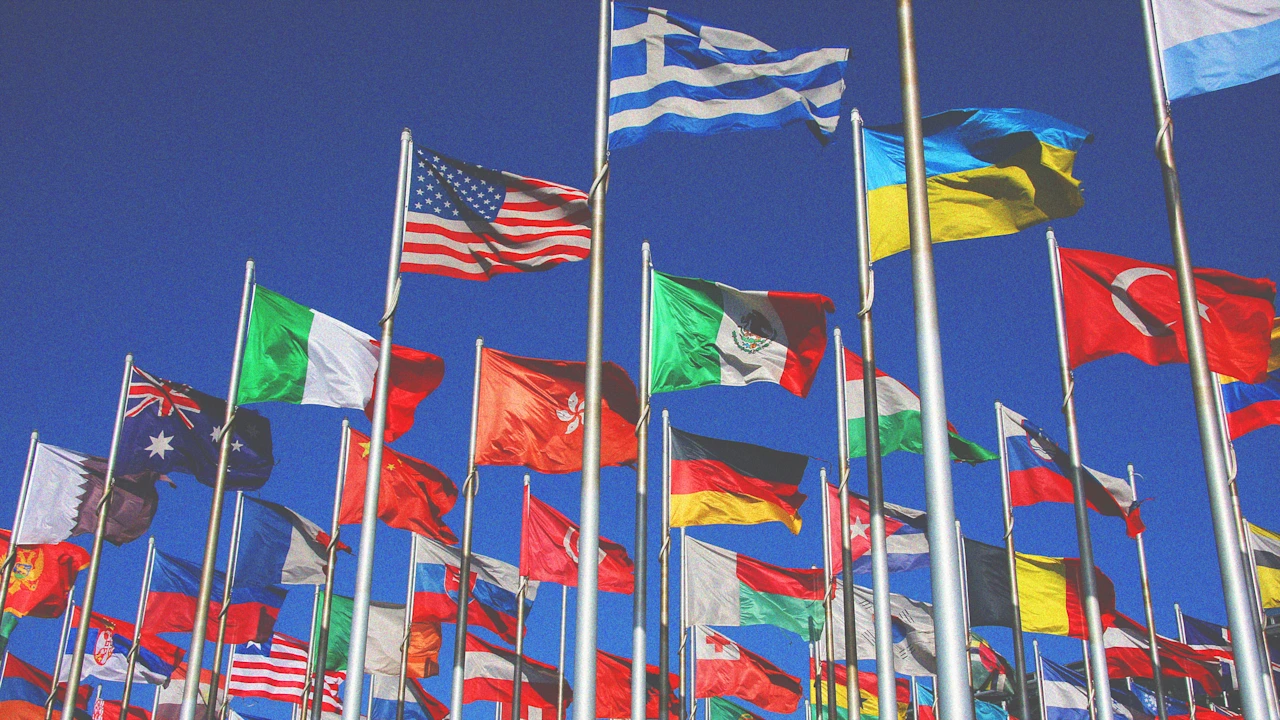
Within weeks, an open-source team rebuilt the database using archived copies and public APIs. The result is OpenFactBook—a clean, searchable site that mirrors the original structure and adds new features.
What You Can Find on OpenFactBook
Every country page starts with key statistics—population, area, capital—a map, and a short history. Then follow deeper datasets on demographics, economy, communications, and transnational issues.
Users can discover unusual facts: Vatican City’s highest point is the Vatican Gardens at 78 meters; its lowest is Saint Peter’s Square at 19 meters; it uses 0% of land for agriculture.
A standout feature is the Compare Countries tool in the top menu bar. It quickly juxtaposes metrics like GDP, life expectancy, or internet usage across multiple nations. This is ideal for research, education, or casual exploration.
“The compare tool alone makes OpenFactBook worth bookmarking,” said Dr. Torres. “It turns raw data into actionable insights.”
Background
The CIA World Factbook began as a printed classified document in 1962, later declassified and made public online. It grew into a comprehensive, regularly updated reference used by schools, businesses, and governments worldwide. Its sudden removal left a gap no other single resource could fill.
OpenFactBook fills that gap by combining the original CIA dataset with modern, peer-reviewed data from the World Bank Group and the REST Countries API. The project is maintained by a nonprofit community of volunteers and is entirely free, with optional donations.
What This Means
OpenFactBook ensures that a trusted, authoritative global database remains in the public domain—and is now more current than the original. Because it is community-maintained, updates can happen faster than under government bureaucracy.
For teachers, journalists, students, and travelers, the site offers a single source of truth for country comparisons. Its no-nonsense design and open data licensing allow easy reuse and integration into other projects.
Dr. Torres concluded: “This is a win for transparency. When a government archive disappears, the internet fills the void—and often improves the resource in the process.”
OpenFactBook is live now at openfactbook.org. No sign‑up required.
Related Articles
- Gain Production Insight from Your Terminal: The gcx CLI for You and Your AI Agents
- Building an Evidence-Driven Workflow: A Step-by-Step Guide
- The Rise of Simulation-First Manufacturing: How Digital Twins and AI Are Transforming Production
- Grid Crisis Deepens: Power Prices Soar 76% as AI Demand Outstrips Infrastructure
- Bring Observability to Your Command Line and AI Agents with Grafana's gcx CLI
- Housing Market Power Shift: Where Inventory Favors Buyers vs. Sellers
- Transform Your Old Keyboard into a Powerful Macropad on macOS
- Android CLI Revolution: How AI Agents Are Speeding Up App Development