10 Key Insights Into Iran's Bitcoin-Powered Insurance for the Strait of Hormuz
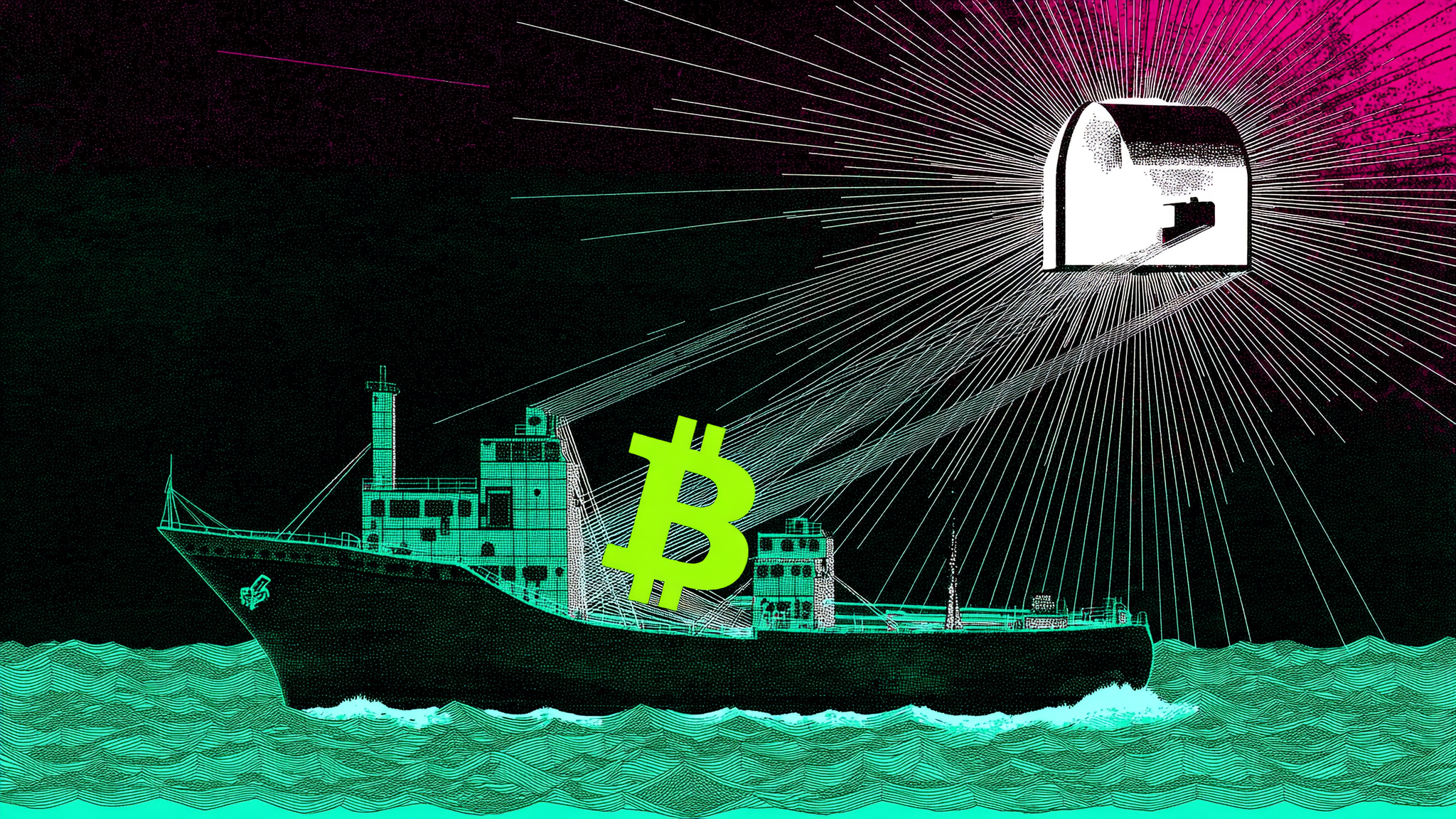
Iran's launch of Hormuz Safe, a Bitcoin-settled insurance platform for shipping companies transiting the Strait of Hormuz, marks a significant evolution in marine insurance and cryptocurrency adoption. This innovative system allows underwriters and operators to use Bitcoin for premiums and claims, potentially reshaping risk coverage in one of the world's most strategically vital waterways. Below are ten essential insights into this development, covering its mechanics, implications, and future prospects.
- The Launch Announcement
- Strategic Importance of the Strait of Hormuz
- Challenges with Traditional Marine Insurance
- How Hormuz Safe Operates
- Bitcoin as a Settlement Tool
- Circumventing International Sanctions
- Implications for Global Shipping
- Cryptocurrency Adoption in Insurance
- Risks and Challenges for Users
- The Future of Crypto Insurance for Critical Trade Routes
1. The Launch Announcement
Iran has officially launched Hormuz Safe, a pioneering platform that enables maritime insurers and shipping companies to underwrite and settle coverage using Bitcoin. The system was introduced to address the unique risks of transiting the Strait of Hormuz, a narrow passage that handles about 20% of the world's oil. By leveraging cryptocurrency, Iran aims to offer an alternative to traditional fiat-based insurance that often struggles with sanctions and high premiums in the region.
2. Strategic Importance of the Strait of Hormuz
The Strait of Hormuz, connecting the Persian Gulf to the Gulf of Oman, is a critical chokepoint for global energy trade. Any disruption—from military confrontations to accidents—can send oil prices soaring. Tankers navigating these waters face elevated risks, including piracy, political instability, and potential seizure. Thus, insurance here is not optional but mandatory for most operators. Hormuz Safe directly targets this high-risk corridor, offering coverage where many traditional providers are reluctant or charge exorbitant rates.
3. Challenges with Traditional Marine Insurance
Conventional marine insurance in the Persian Gulf faces significant hurdles. International sanctions against Iran limit many Western insurers from offering standard policies to ships stopping at Iranian ports or passing through its waters. Even when available, premiums can be prohibitively high due to war risk and political violence classifications. This leaves shippers with few affordable options, sometimes forced to self-insure or seek out gray-market schemes. Hormuz Safe aims to fill this gap with a crypto-based alternative that is less tied to global financial regulations.
4. How Hormuz Safe Operates
The platform acts as a marketplace connecting shipping companies with underwriters who accept Bitcoin. Users can obtain quotes, purchase policies, and eventually file claims, all settled in BTC. The system likely uses smart contracts to automate payouts based on pre-defined triggers—such as verified loss of cargo or vessel damage. While technical details remain scarce, the core innovation is the removal of traditional banking intermediaries, enabling faster cross-border transactions without reliance on SWIFT or corresponding banks.
5. Bitcoin as a Settlement Tool
Choosing Bitcoin for settlement offers several advantages: it is decentralized, censorship-resistant, and operates 24/7. For insurers in Iran, it bypasses U.S. dollar-dominated systems and potential asset freezes. However, Bitcoin's notorious price volatility poses a risk. To mitigate this, the platform may require users to accept floating premiums or use stablecoins pegged to fiat. The long-term success depends on whether the benefits of speed and accessibility outweigh the crypto market's unpredictability.
6. Circumventing International Sanctions
This initiative is widely seen as part of Iran's broader strategy to use cryptocurrency to circumvent economic sanctions. By settling insurance in Bitcoin, Iranian entities can engage in global trade without direct contact with the U.S. financial system. However, this may invite regulatory scrutiny from organizations like the Financial Action Task Force (FATF) and could lead to secondary sanctions on users. Businesses considering Hormuz Safe must weigh reduced friction now against potential legal risks down the line.

7. Implications for Global Shipping
If successful, Hormuz Safe could lower insurance costs for operators in the Persian Gulf, especially small- and medium-sized firms that struggle with traditional coverage. It may also provide a template for insurance in other high-risk or sanctioned regions, such as Venezuela or North Korea. However, widespread adoption may be limited by the need for crypto literacy, regulatory uncertainties, and the lack of a large pool of crypto-rich underwriters dedicated to marine risks.
8. Cryptocurrency Adoption in the Insurance Sector
The insurance industry globally is slowly exploring blockchain and cryptocurrencies for efficiency gains. Hormuz Safe appears to be one of the first real-world applications of Bitcoin as a settlement currency in marine insurance. Traditional insurers like Swiss Re and Lloyd's have dabbled in blockchain for transparency and claims processing, but direct Bitcoin settlement remains rare. This platform could serve as a case study for how decentralized currencies might reshape global insurance markets, especially where legacy financial systems are unreliable or inaccessible.
9. Risks and Challenges for Users
Potential users face several risks: legal uncertainty due to sanctions, potential seizure of Bitcoin holdings by authorities, cyber attacks on the platform, and the extreme volatility of cryptocurrency. Additionally, the lack of a robust legal framework for crypto insurance claims in international maritime law could complicate dispute resolution. Users must conduct thorough due diligence, understand the terms of smart contracts, and have contingency plans for Bitcoin price crashes that could devalue premium payments or claims.
10. The Future of Crypto Insurance for Critical Trade Routes
Hormuz Safe may be a bellwether for similar initiatives in other strategic waterways like the Suez Canal or the South China Sea. As geopolitical tensions and sanctions persist, the demand for alternative financial infrastructure will likely grow. The platform's success will depend on its ability to attract a critical mass of underwriters and users, maintain operational security, and navigate evolving regulations. If Iran proves this model viable, it could accelerate the integration of cryptocurrency into mainstream trade finance and insurance.
In conclusion, Iran's Hormuz Safe platform is an innovative, albeit risky, response to the insurance gap in the Strait of Hormuz. By combining Bitcoin's borderless nature with the pressing needs of shippers, it opens a new chapter in both marine insurance and cryptocurrency utility. Whether it becomes a standard solution or a niche experiment will depend on how its creators address the significant challenges ahead. For now, it stands as a bold testament to the transformative potential of blockchain in high-stakes global trade.
Related Articles
- Exodus Acquires Payment Infrastructure to Build Self-Custody 'Super App' After NYSE Ordeal
- 5 Shocking Insights About Insider Betting on Polymarket
- TCLBANKER: A New Brazilian Banking Trojan Spreading via WhatsApp and Outlook
- Trump Family Trust Invests in Crypto Stocks Amid Administration's Digital Asset Push
- Unlocking Higher Salaries: A Step-by-Step Guide to Leveraging Diversity in Graduate Education
- Design System Crisis: Rigid Rules Lead to Zero Task Completion in Real-World Tests
- Navigating Sanctions: How Iran’s Largest Crypto Exchange Operates Under OFAC Scrutiny
- 6 Key Facts About RoboTechnik's Blockbuster Hong Kong Listing