Debate Over Youth Social Media Bans Intensifies as Evidence Remains Unsettled
State lawmakers are rushing to pass legislation banning or restricting social media for minors, citing a public health crisis—yet the scientific evidence underpinning these moves is far from settled, digital rights advocates and independent researchers warn. A wave of bills in California, Massachusetts, and Minnesota seeks to frame social media as a primary driver of teen anxiety and depression, but large-scale meta-analyses have failed to confirm a consistent causal link.
“The narrative that social media is rewiring adolescent brains is a compelling story, but it’s not supported by robust, replicated science,” said India McKinney, director of federal affairs at the Electronic Frontier Foundation (EFF). “We’re seeing correlation being sold as causation, and that’s a dangerous basis for stripping young people of their constitutional rights.”
Background
Legislative efforts from the California State Assembly to the Minnesota and Massachusetts capitols are accelerating ahead of the 2026 sessions. Proponents describe social media access as a “mental health epidemic” and point to Jonathan Haidt’s work, particularly the “great rewiring” theory, as proof. However, independent reviews from developmental psychologists at the University of California, Irvine, and Brown University have repeatedly found the evidence mixed and often contradictory.
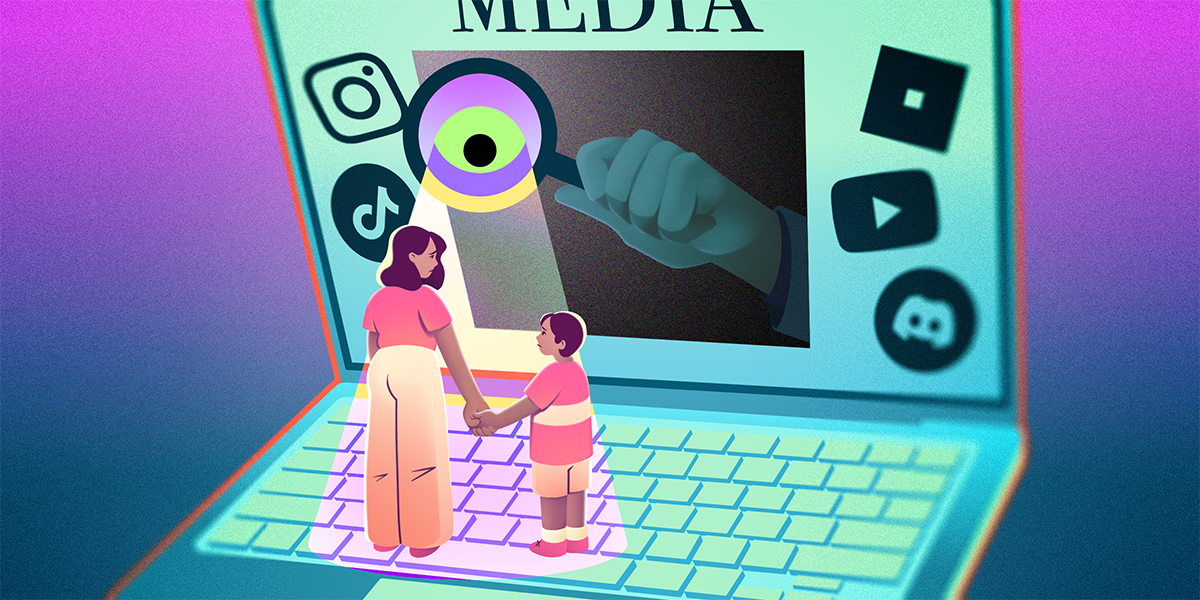
“The studies used to justify these bans rarely account for alternative explanations—such as pandemic isolation, school gun violence, or economic stress—that also impact teen well-being,” said Dr. Candice Odgers, a professor of psychology at UC Irvine. “Focusing only on social media creates a misleading picture of a complex problem.”

What This Means
The push for blanket restrictions threatens to infringe on young people’s free speech and privacy rights, according to EFF. If laws are passed on shaky evidence, they may be vulnerable to legal challenges and could inadvertently harm the very groups they aim to protect—such as LGBTQ+ youth who rely on online communities for support.
“A rush to legislate based on pop psychology and statistically flawed research undermines both science and democracy,” McKinney added. “We owe it to young people to demand rigorous evidence before enacting measures that limit their autonomy and access to information.”
Several states are also considering age-verification mandates, which raise additional privacy and security concerns. As the legislative season heats up, the debate over how to protect youth online remains deeply polarized—and far from scientifically settled.
Related Articles
- The Hidden Cleanup Tax: A Practical Guide to Managing AI-Generated Code
- Preserving the American Dream: A Step-by-Step Action Plan
- Navigating the Cigna ACA Exit: A Patient's Step-by-Step Survival Guide
- Record Wealth Gap and Voter Apathy Threaten American Dream, Urgent Philanthropic Response Announced
- Understanding PFAS in Baby Formula: Expert Answers to Parent Concerns
- Engaging with STAT: First Opinion Letters on Activism, Perimenopause, and Diversity
- The Perplexing Case of Darkening Skin: A Medication's Unseen Side Effect
- Preserving the American Dream: A Call to Action