Harvard Proposes A-Grade Cap to Combat Grade Inflation: Faculty Vote This Week
College students often have plenty on their plates, but undergraduates at Harvard University now face the possibility that their stellar grades might lose their luster. With more than 60% of Harvard students receiving A's during the 2024–25 academic year, faculty are voting on a controversial proposal that would limit A grades to no more than 20% of a class plus four students. The outcome, expected by May 20, 2026, could reshape academic standards at one of the world's most prestigious institutions.
The Statistics Behind the Crackdown
According to internal data, 66% of Harvard undergraduates earned an A in the 2024–25 academic year, and a staggering 84% received either an A or an A-minus. This marks a dramatic shift from 2006, when fewer than half the student body received A's. Even a partial clampdown during the fall 2025 semester only reduced the A rate to 53%.
The Proposed Cap: Restoring 'Extraordinary Distinction'
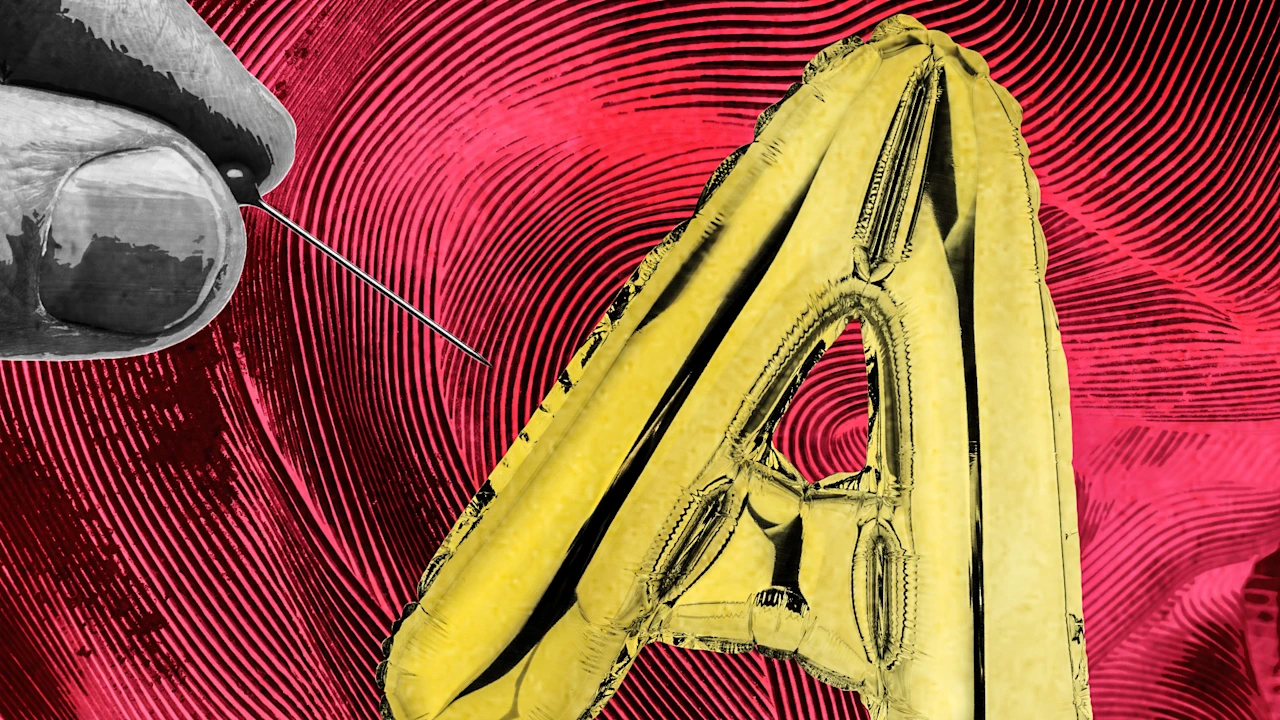
A February 2026 proposal put forward by faculty argues that the current grading system has drifted from its intended purpose. As the document states, “The Student Handbook recognizes an A grade as one reserved for work of 'extraordinary distinction.' We recommend returning to this definition.” The cap would limit A's to 20% of students per class, plus a small buffer of four additional students, aiming to re-center academics and restore confidence in grading.
Student and Faculty Reactions
Not everyone is on board. Students, already grappling with a weak job market and tuition costs exceeding $80,000, are reportedly furious. According to the Harvard Crimson, about 85% of undergraduates oppose the cap. Yet some faculty see it as necessary. Harvard professor Steven Levitsky described the situation as “kind of nutty” and called the proposal the “least bad solution,” noting that the distinction between an A and an A-minus has been erased.
The Historical Context of Grade Inflation
Grade inflation is nothing new at Harvard or across U.S. colleges. Its roots trace back to the Vietnam War era, when professors awarded higher grades to protect students from the draft. More recently, from 1990 to 2020, GPAs at four-year colleges rose more than 16%, according to the U.S. Department of Education, driven by consumer demand for higher marks and professor ratings.
Dean of Undergraduate Education Amanda Claybaugh observed in a 2025 report: “A slow rise in the early 2010s, continuous with longstanding trends, followed by a more rapid rise in the late 2010s, then an additional spike during the year of remote instruction and a flattening out after that.”
Outcome Uncertain After Previous Failures
Whether the proposal passes remains unclear. Recent attempts to curb grade inflation at Princeton University and Wellesley College failed, as reported by Bloomberg. Harvard's vote could set a precedent—or join the list of abandoned reforms. As students await the decision, the tension between academic rigor and competitive pressures continues to mount.
Related Articles
- Kazakhstan Strengthens Higher Education with Renewed Coursera Partnership: AI, Credit Courses, and Kazakh Language Expansion
- iRacing Connect Brings Immersive Mixed Reality Racing to Apple Vision Pro
- Alarming Reversal: Girls' Math Progress Eroded Post-Pandemic, International Study Reveals
- Dataiku Names Winners of 2025 Partner Certification Challenge, Emphasizing Human Expertise in AI Deployment
- Casey Hudson Labels Generative AI 'Creatively Soulless,' Vows Old Republic Successor Will Avoid the Tech
- Building Production-Grade ML Pipelines with ZenML: A Comprehensive Q&A Guide
- 7 Critical Insights into Reward Hacking in AI Training
- IBM Vault 2.0: A User-Friendly Overhaul with Enhanced Reporting and Onboarding Tools