10 Ways Labyrinth 1.1 Makes Your Encrypted Backups More Reliable
Introduction
When Meta introduced end-to-end encrypted backups for Messenger in 2023, it set a new standard for privacy at scale. The Labyrinth protocol made it possible for your message history to travel with you across devices without anyone—including Meta—being able to read it. Now, with version 1.1, Labyrinth takes reliability to the next level. This update introduces a clever sub-protocol that ensures messages reach your encrypted backup as they are sent, rather than waiting for your device to come back online. Whether you lose your phone, switch devices, or take a long break from signing in, your conversations remain safe and recoverable. Here are ten essential things you need to know about how Labyrinth 1.1 is transforming secure messaging storage.
1. A Smarter Way to Store Messages
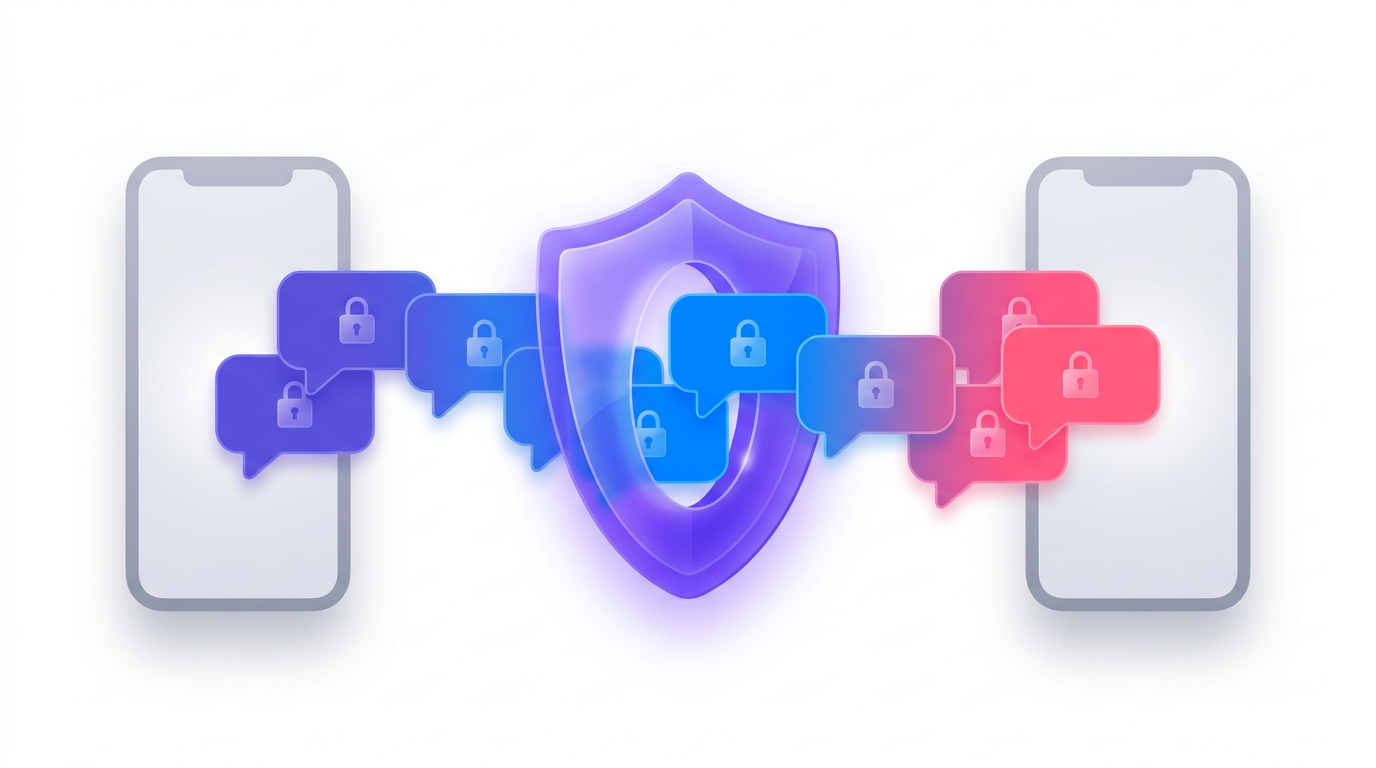
Labyrinth 1.1 builds on the original encrypted storage system by adding a new sub-protocol that changes when and how messages are backed up. In the previous version, your device had to be online to store new messages in the backup. Now, as soon as someone sends you a message, the sender places a special encryption key directly into your encrypted backup—like dropping a sealed envelope into a locked box only you can open. This means your message history is continuously preserved, even if your phone is off or lost.
2. Improved Reliability Across Devices
One of the biggest pain points for users switching phones or tablets is recovering old messages. Labyrinth 1.1 makes this process seamless by ensuring that backups are always up to date. Because the sub-protocol runs independently of your device’s online status, your backup reflects the latest conversations as soon as they happen. When you log into Messenger on a new device, you can restore your full history without gaps—even if you were offline for days or weeks.
3. How the New Sub-Protocol Works
The core innovation in Labyrinth 1.1 is a mechanism called “direct message encryption key placement.” When you send a message, your device creates a unique encryption key for that message and encrypts the message content. That key is then placed directly into the recipient’s encrypted backup—wrapped in a layer of encryption only the recipient can unlock. This decouples the backup process from the recipient’s device activity, so messages are stored in the backup the moment they are sent, not when the recipient comes online.
4. Seamless Transitions After Device Loss
Losing your smartphone can be stressful, especially if you worry about losing precious messages. With Labyrinth 1.1, your backup is continuously fed with new messages from senders. Even if your phone is lost or destroyed, every message sent to you after that point is already safely stored in your encrypted backup. When you get a new device and restore from backup, you’ll see the entire conversation thread—nothing missing.
5. Long Gaps Between Sign-Ins Are No Problem
Some people take breaks from social media or temporarily switch to another phone. In older backup systems, long gaps between sign-ins often resulted in lost messages because the device wasn’t around to collect them. Labyrinth 1.1 eliminates this issue: senders continuously deposit message keys into your backup. Even if you don’t sign in for months, all those messages remain encrypted and waiting for you. When you finally return, your backup is complete and ready to restore.
6. End-to-End Encryption Remains Uncompromised
Privacy isn’t sacrificed for reliability. Labyrinth 1.1 still uses the same strong end-to-end encryption as before. The sender encrypts the message with a key that only the recipient can decrypt. That key is placed inside the encrypted backup, which is protected by another layer of encryption known only to the recipient. Neither Meta nor anyone else can read the messages. The new sub-protocol just changes the timing of when the key goes into the backup—it never exposes the content.
7. Comparison with the Original Labyrinth Protocol
In the original Labyrinth protocol, message backup relied on the recipient’s device to pull in message keys when it came online. This meant that if a device was offline for a while, the backup might be missing those newer messages. Labyrinth 1.1 flips the model: the sender pushes the key directly into the backup. This small architectural change dramatically improves reliability without adding complexity for users. The white paper details the cryptographic proofs that ensure no security trade-offs.
8. Real-World Impact Already Measurable
Meta has started rolling out Labyrinth 1.1 across Messenger and is already seeing positive results. The percentage of successfully backed up messages has increased, and more people are able to restore their full message history when switching devices. Early data shows that the new protocol significantly reduces the number of gaps in message history, especially for users who change phones frequently or travel to areas with spotty internet.
9. Implications for Future Privacy Features
This update isn’t just a one-off improvement—it lays the groundwork for even more sophisticated privacy features. By making encrypted backups more reliable, Labyrinth 1.1 could enable features like encrypted cloud sync for other apps, stronger recovery options, or support for more complex multi-device experiences. The protocol’s design is modular, so future extensions can build on this foundation without reinventing the wheel.
10. How to Learn More – Read the Updated White Paper
For developers and security enthusiasts, the full technical details are available in the updated white paper, “The Labyrinth Encrypted Message Storage Protocol.” It explains the cryptographic primitives, the sub-protocol’s logic, and the threat model. You can also explore how the system handles key rotation, device recovery, and synchronization across multiple devices. The paper is a must-read for anyone interested in applied cryptography at scale.
Conclusion
Labyrinth 1.1 is a quiet but powerful upgrade that makes end-to-end encrypted backups more reliable than ever. By letting senders deposit message keys directly into the backup, it removes the dependency on the recipient’s device being online. This means your conversations are preserved even when you lose a device, switch phones, or take a long break. As Meta continues to roll out this update, users can enjoy greater peace of mind knowing their private messages are both secure and always there when needed. The future of encrypted storage is looking safer and more convenient—a true win for privacy.
Related Articles
- How Labyrinth 1.1 Strengthens End-to-End Encrypted Backups: A Step-by-Step Guide
- Why Type Construction and Cycle Detection
- Revitalizing User Experience in Aging Systems: A Q&A Guide
- Share the American Dream: Transforming Generosity into Lasting Impact
- Decoding Corporate Contradictions: A Guide to Analyzing Record Revenue Alongside Mass Layoffs
- States Move to Rein in Edtech: New Bills Target Software Vetting Amid Screen Time Fears
- The Force of Innovation: How Star Wars Products Are Becoming an Interactive Experience
- How to Implement AI Without Slowing Down Your Workflow