Samsung in Last-Ditch Talks to Avert $20 Billion Chip Plant Strike: Government Steps In
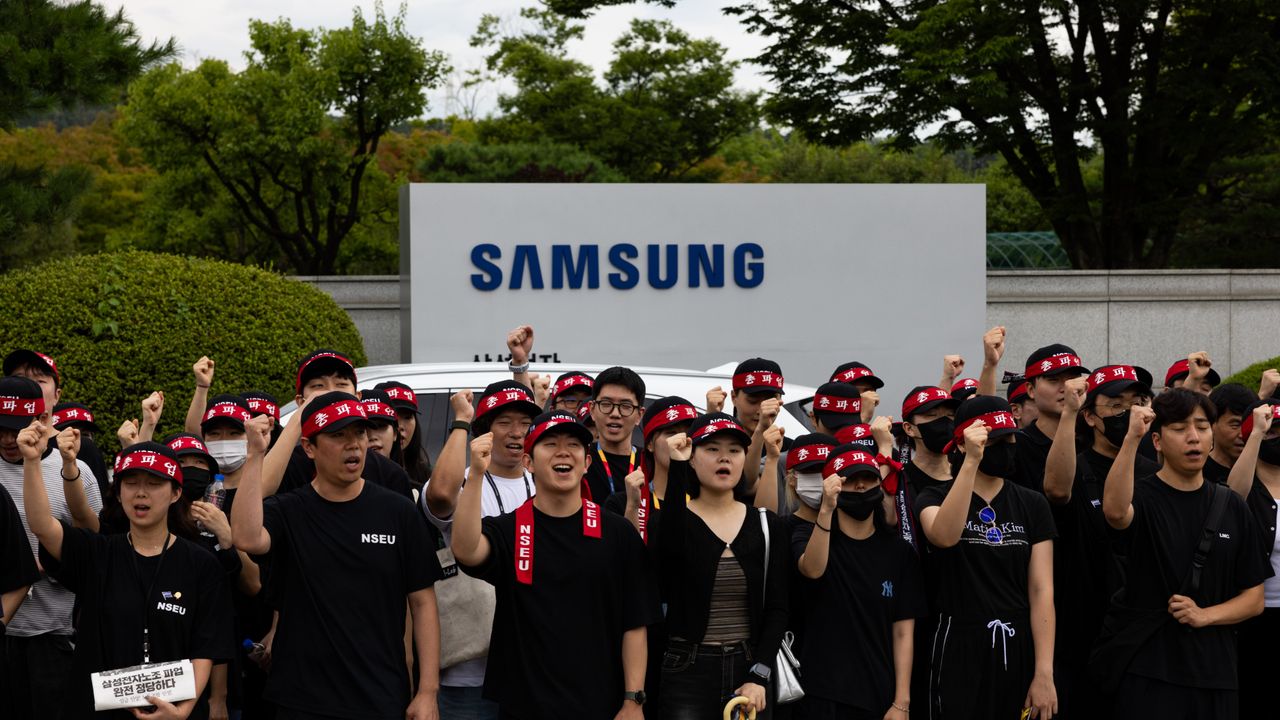
As tensions escalate at Samsung's semiconductor facilities, the company's leadership and union representatives are meeting through South Korea's National Labor Relations Commission (NLRC) in a final attempt to prevent an 18-day strike that could paralyze production, especially of high-bandwidth memory (HBM) chips used in AI applications. Previous mediation attempts in February and March collapsed, and now a government-mediated summit is seen as the last chance to avoid a work stoppage that analysts warn could cost the company an estimated $20 billion. Below, we answer key questions about this critical labor dispute.
Why are Samsung and the union in such intense negotiations?
The two sides are locked in a high-stakes labor dispute that has already seen two rounds of mediation fail earlier this year. The union, which represents workers at Samsung's chip factories, is pushing for better pay, improved working conditions, and a fairer share of the company's profits. Samsung, on the other hand, is concerned that any work stoppage would severely damage its production capacity, especially for HBM chips, which are in soaring demand from AI and data center clients. The current talks at the NLRC are described as final because if no agreement is reached, a strike could begin immediately, and the government is trying to broker a peace deal to protect the national economy.
What is the potential strike duration and its estimated cost?
According to industry insiders, the union is planning an 18-day strike if the negotiations fail. This is not a symbolic walkout; it is designed to cause maximum disruption to Samsung's chip production lines. Financial analysts have estimated the daily production loss at over $1 billion, potentially leading to a total cost of roughly $20 billion over the 18-day period. This figure includes not only lost sales but also penalties for delayed orders, idle equipment, and the difficulty of restarting sensitive semiconductor fabrication processes. Such a financial blow would impact Samsung's bottom line severely and could delay important HBM chip shipments to major customers like NVIDIA and AMD.
Why are HBM chips especially vulnerable in this strike?
High-bandwidth memory (HBM) chips are a critical component for modern AI accelerators and high-performance computing systems. Samsung is one of the world's leading HBM manufacturers, alongside SK Hynix. The production of HBM involves complex stacking processes that require highly skilled workers and tight coordination across multiple factory lines. A strike of even a few days could disrupt the entire HBM production chain, causing delays for Samsung's clients. Moreover, the company is already racing to increase HBM capacity to meet surging demand; any interruption now could give competitors like SK Hynix a significant market advantage. The union knows this and is using the vulnerability of HBM production as leverage in negotiations.
What role is the government playing in these talks?
The South Korean government, through the National Labor Relations Commission (NLRC), is mediating the latest round of talks. This is a significant step because it elevates the dispute from a private company matter to a national economic concern. South Korea relies heavily on its semiconductor industry as a flagship export sector, and a prolonged strike at Samsung could hurt the country's GDP growth and global tech supply chains. The government's involvement means that both sides are under pressure to reach a compromise—the union fears legal repercussions if it blocks national interest, while Samsung cannot afford to be seen as intransigent. The NLRC may propose a binding settlement if mediation fails.
What were the results of the previous mediation attempts in February and March?
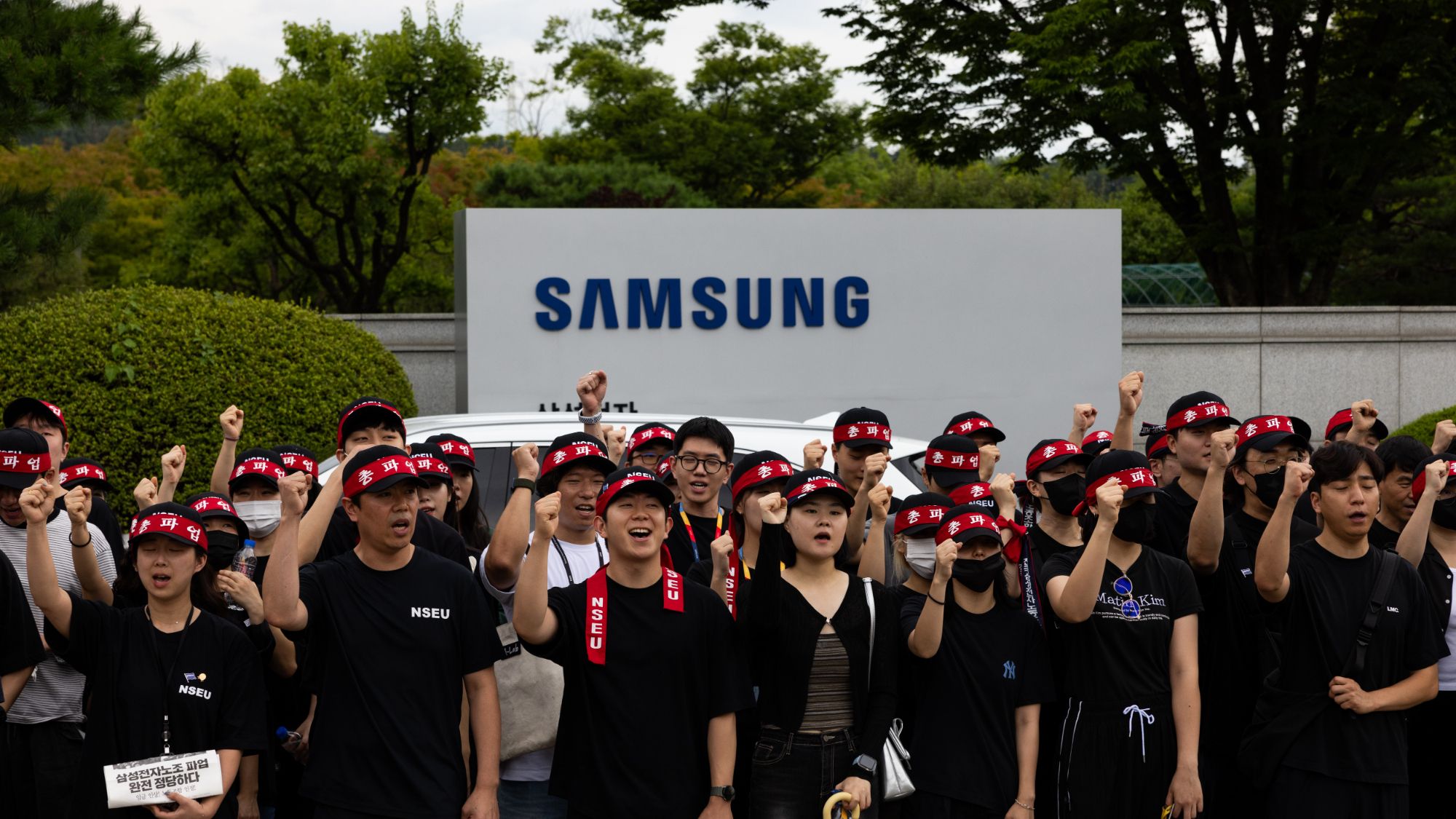
Earlier mediation sessions, held in February and March of this year, unfortunately collapsed without agreement. At that time, the union demanded a 15% wage increase and a larger profit-sharing bonus, while Samsung offered a 7% raise and improvements in working conditions. The gap remained too wide. The breakdown of those talks led to small-scale walkouts and a buildup of distrust. Since then, the union has grown more militant, and Samsung has hardened its position, fearing that any concessions would set a precedent for its other factories. The failure of those early mediations is why the current government-mediated summit is considered a final chance to avoid a full-blown strike.
What specific demands is the union making now?
The union's core demands include:
- An overall wage increase of 15% to keep up with inflation and acknowledge workers' contributions to record chip profits.
- Improved profit-sharing bonuses tied to the performance of the semiconductor division.
- Safer working conditions, including reduced overtime hours and better protective gear.
- A greater role for the union in decisions about production schedules and shift rotations.
What could be the broader impact of a strike on the global tech market?
A 18-day strike at Samsung would send shockwaves through the global technology supply chain. The immediate effect would be a shortage of HBM chips, driving up prices for AI accelerators and servers. Companies like NVIDIA, AMD, and Intel rely on Samsung for a portion of their HBM supply. A disruption could delay the launch of new AI products or force customers to switch to rival memory makers, but that would take time as production capacity is limited. Beyond HBM, Samsung also makes DRAM and NAND flash memory, used in everything from PCs to smartphones. A broader strike could tighten memory supply market-wide. This is why the government is so keen to resolve the dispute quickly—it's not just Samsung's problem; it's a global tech issue.
Related Articles
- SAS’s 50-Year Journey: Turning AI into a Practical Tool for Business
- Navigating AI in UX Design: A Step-by-Step Guide to Thriving as a Human Strategist
- 5 Critical Insights into the Daemon Tools Supply Chain Attack and Vendor Response
- Decoding Political Narratives on Vaping: A Critical Analysis of Trump's Pro-Vape Position
- 10 Secrets of Unknowable Math: How Gödel's Theorems Protect Your Privacy
- 5 Terminal Power Tools That Eliminated My Need for Graphical Apps
- AI Code Analysis: Unpacking the Hype Around Mythos and What It Really Means
- Firefox 150: New Split View, Emoji Picker, and PDF Enhancements