The Canvas Breach: 8 Crucial Details Every Student and Educator Should Know
In early May, a massive cyberattack on the widely used learning management platform Canvas sent shockwaves through schools and universities across the United States. The breach, attributed to the notorious cybercrime group ShinyHunters, disrupted coursework, leaked sensitive data, and forced parent company Instructure to take drastic measures. As final exams loomed, the incident highlighted the vulnerabilities of our increasingly digital education systems. Here are eight essential facts to understand what happened, what was at stake, and what comes next.
1. The Attack: A Coordinated Digital Assault
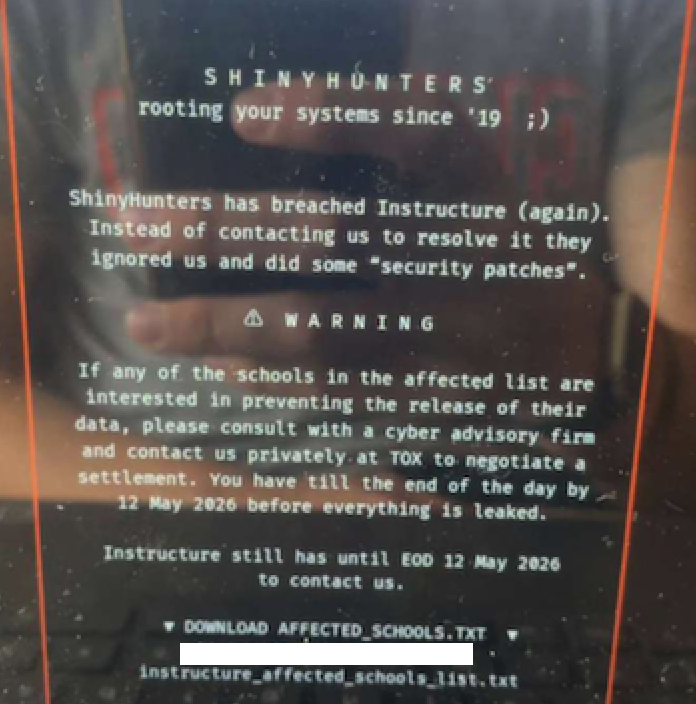
The breach unfolded in two distinct phases. Initially, ShinyHunters infiltrated Canvas’s systems and extracted a trove of data, including names, email addresses, student ID numbers, and private messages between users. Then, on May 7, they defaced the login page with an extortion note, threatening to release data from 275 million individuals at nearly 9,000 institutions unless a ransom was paid. The defacement forced Instructure to disable the platform, replacing the usual portal with a vague “scheduled maintenance” message. This two-pronged attack — data theft followed by public extortion — amplified the pressure on both the company and affected schools.

2. The Culprits: ShinyHunters and Their Modus Operandi
ShinyHunters is a cybercrime group known for high-profile data breaches and extortion campaigns. They typically steal sensitive information and demand payment to prevent its release. In this case, they claimed responsibility for the Canvas breach and set an initial ransom deadline of May 6, later extended to May 12. The group’s extortion message on the Canvas login page advised schools to negotiate directly with them, bypassing Instructure. This tactic — pressuring end users directly — is a hallmark of their approach, aiming to create maximum disruption and leverage multiple parties for payment.
3. The Scale: 275 Million Users Across 9,000 Institutions
The sheer magnitude of the breach is staggering. ShinyHunters claimed to have stolen data from 275 million students, teachers, and staff at nearly 9,000 educational institutions that use Canvas. This includes K-12 school districts, community colleges, and major universities. While the accuracy of these numbers is under investigation, even a fraction of that would represent one of the largest education-sector data breaches in history. The wide reach means millions of individuals may have had their personal information compromised, from names and emails to classroom communications.
4. What Data Was Stolen — and What Was Not
According to Instructure’s May 6 statement, the stolen data includes “certain identifying information of users at affected institutions, such as names, email addresses, and student ID numbers, as well as messages among users.” The company emphasized that no evidence showed the breach exposed more sensitive data like passwords, dates of birth, government identifiers (e.g., Social Security numbers), or financial information. However, ShinyHunters claimed they also obtained phone numbers and “several billion private messages.” This discrepancy underscores the need for affected users to remain vigilant, even if the most critical data appears safe for now.
5. Timeline: From Initial Breach to Full Disruption
The incident unfolded rapidly. Instructure first acknowledged a breach earlier that week, with ShinyHunters claiming responsibility. On May 6, Instructure reported that the incident was contained and Canvas was fully operational. But just a day later, on May 7, the platform was defaced with a ransom demand, forcing Instructure to take Canvas offline entirely. The company replaced the login page with a maintenance message, later stating they expected service to resume soon. This rapid escalation caught many institutions off guard, especially those in the middle of final exams.
6. Impact on Schools: Exams Disrupted and Uncertainty Reigns
The timing could hardly have been worse. For many schools and universities, early May is peak exam and assignment submission season. The outage prevented students from accessing coursework, submitting assignments, and checking grades. Social media flooded with complaints from frustrated students and educators. A prolonged disruption could force schools to extend deadlines, reschedule exams, or rely on backup systems. Beyond logistical chaos, the breach eroded trust in the platform, leading some institutions to reconsider their reliance on Canvas. The potential for data leaks also raised privacy concerns that could have long-term repercussions for affected individuals.
7. Instructure’s Response: Damage Control and Recovery
Instructure responded by disabling Canvas and communicating via its status page. The company stated, “We anticipate being up soon, and will provide updates as soon as possible.” They also reiterated that the breach had been contained and that no ongoing unauthorized activity was detected. However, the defacement contradicted that assurance, suggesting the attackers retained some access or had pre-planned the public extortion. Instructure’s crisis management included legal and technical teams working to restore services and negotiate with law enforcement. The company faced scrutiny over whether its initial containment was premature and how it could prevent future incidents.
8. What Students and Educators Should Do Now
Affected users should take proactive steps to protect themselves. Change Canvas account passwords if not already done — even though passwords were reportedly not compromised, it’s a good practice. Monitor email and Canvas messages for phishing attempts that might exploit the breach. Consider enabling two-factor authentication if available. Be cautious of suspicious communications claiming to be from Instructure or the school, as attackers may use stolen information to craft convincing scams. Schools should also review their data security protocols and communicate transparently with students about the risks. While the immediate disruption may pass, the incident serves as a wake-up call about the fragility of centralized education technology.
In conclusion, the Canvas breach is a stark reminder that no platform is immune to cyberattacks, especially when it holds the personal data of millions. As Instructure works to restore trust and repels further intrusions, students and educators must stay informed and vigilant. The coming weeks will reveal the full extent of the damage, but one thing is clear: the intersection of education and cybersecurity demands urgent attention.
Related Articles
- CISA's CI Fortify Initiative: Strengthening Critical Infrastructure Against Geopolitical Cyber Threats
- Securing Your npm and PyPI Packages Against Supply Chain Attacks: A Proactive Guide
- Machine-Speed Attacks Force Cyber Defense Shift: Automation Becomes 'Real Multiplier'
- How to Uncover Security Flaws with AI: Lessons from the Firefox Zero-Day Discovery
- How to Secure Your Network Infrastructure from DDoS Botnet Hijacking
- Justice Served: Cybersecurity Experts Sentenced for Roles in Devastating BlackCat Ransomware Campaign
- Brazilian DDoS Mitigation Firm’s Network Weaponized in Years-Long Attack Campaign, CEO Alleges Sabotage
- Inside the Scattered Spider Playbook: Anatomy of an SMS Phishing and SIM Swap Attack