Volcanic Forecasting Breakthrough? Scientists Edge Closer to Predicting Eruptions Like Weather Patterns
Volcanic Forecasting Breakthrough? Scientists Edge Closer to Predicting Eruptions Like Weather Patterns
In June 1991, Mount Pinatubo in the Philippines erupted in one of the most violent volcanic events of the 20th century, killing over 800 people and displacing hundreds of thousands. The explosion obliterated the peak, leaving a 2.5-kilometer-wide caldera and sending pyroclastic flows racing down its slopes. The disaster highlighted a critical gap: despite decades of monitoring, volcanoes remain notoriously difficult to forecast.
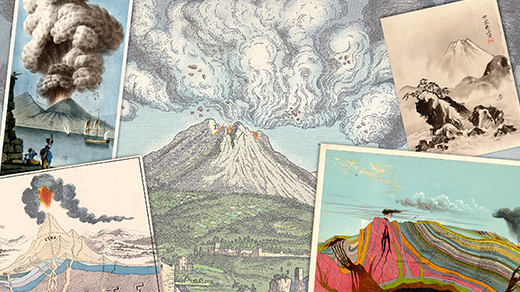
But a new wave of research—combining advanced sensors, artificial intelligence, and real-time data—suggests that predicting eruptions with weather-like accuracy may soon be within reach. Scientists are now developing models that analyze seismic signals, gas emissions, and ground deformation to issue warnings days or even weeks in advance.
“We’re moving from reactive to proactive monitoring,” says Dr. Elena Rossi, a volcanologist at the University of Cambridge. “With machine learning, we can identify precursor patterns that humans might miss. The goal is to forecast eruptions as reliably as we forecast hurricanes.”
Background
Traditional volcano monitoring relies on seismometers, gas sensors, and GPS ground-deformation measurements. However, many volcanoes lack dense instrument networks, and eruption triggers vary widely—from magma ascent to hydrothermal activity.
The 1991 Pinatubo eruption was preceded by weeks of earthquakes and steam vents, but the exact timing and magnitude remained uncertain. Evacuations saved tens of thousands of lives, but the death toll from ashfall and lahars (volcanic mudflows) underscored the need for longer lead times.
Today, satellite technology and fiber-optic cables allow continuous observation. In Iceland, researchers monitor the Reykjanes Peninsula using a network of sensors that detect even minor ground swelling. Similar systems are being tested in Indonesia and the United States.
What This Means
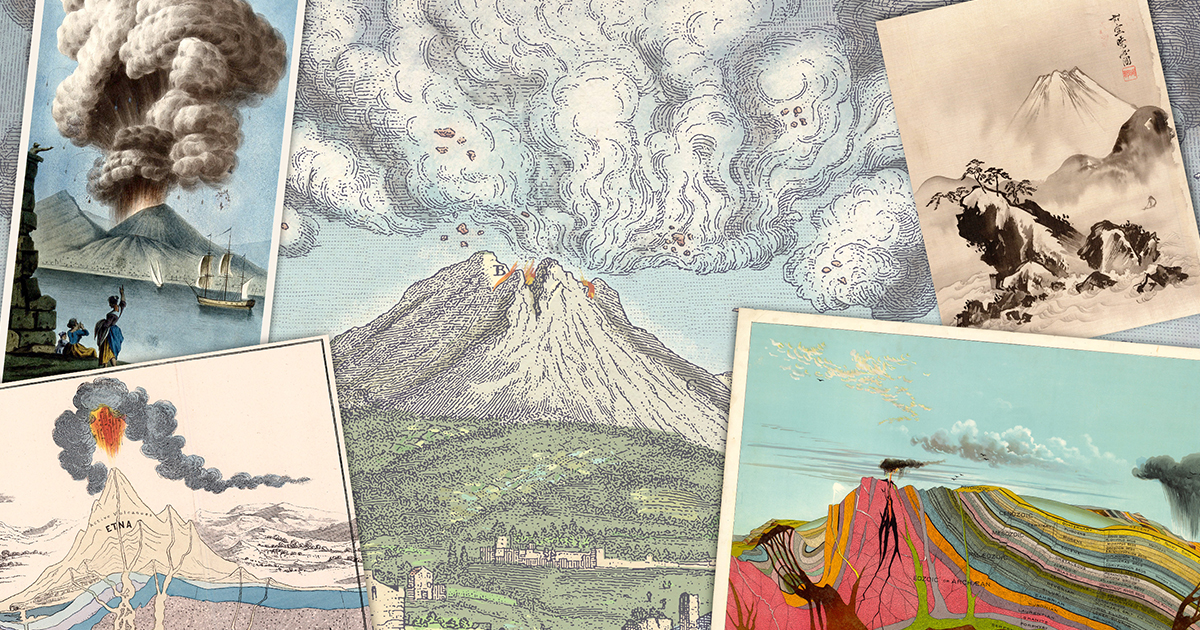
If successful, eruption forecasting could revolutionize disaster preparedness. Airlines would avoid ash-plume hazards, communities could evacuate safely, and critical infrastructure—such as power plants and data centers—could be protected.
“We’re not there yet, but the pace of innovation is accelerating,” notes Dr. Rossi. “A hybrid approach—combining traditional physics-based models with AI—could give us the confidence to issue early alerts.”
However, challenges remain. Volcanoes are unique systems, and false alarms risk causing public distrust. Moreover, funding for long-term monitoring is often scarce in developing nations where many high-risk volcanoes are located.
Despite these hurdles, experts emphasize that even incremental improvements save lives. As Dr. Rossi puts it, “Every hour of advance warning matters. The question is no longer if we can forecast volcanoes, but when we will reach weather-level precision.”
For now, continued investment in global monitoring networks and open data sharing is critical. The 1991 Pinatubo eruption was a wake-up call—and science is finally answering.
- Key advances: AI-driven pattern recognition, real-time satellite data, and low-cost sensor networks.
- Remaining gaps: Funding, data inequality, and the complexity of volcanic systems.
As researchers refine their tools, the hope is that future eruptions will be met not with surprise, but with a reliable forecast—just like the weather.
Related Articles
- SkiaSharp 4.0 Preview 1: Everything You Need to Know
- 10 Key Steps to Build a Multi-Agent AI Workflow for Biological Systems Modeling
- Unlocking Three Powerful On-Device AI Features on Your Android via Google's Hidden Gem
- Subnautica 2 Early Access Threatened by Leaked Builds Ahead of Launch
- Build Your First Autonomous AI Agent with .NET: A Step-by-Step Guide
- From OneDrive to Ente Photos: A Privacy-First Migration Story
- 10 Ways the New Python Environments Extension Revolutionizes VS Code Development
- Bridging the AI Trust Gap: A Strategic Guide for Communicating Across Divided Audiences