Reviving Unity: How a Community Developer Reimagined Ubuntu's Classic Desktop
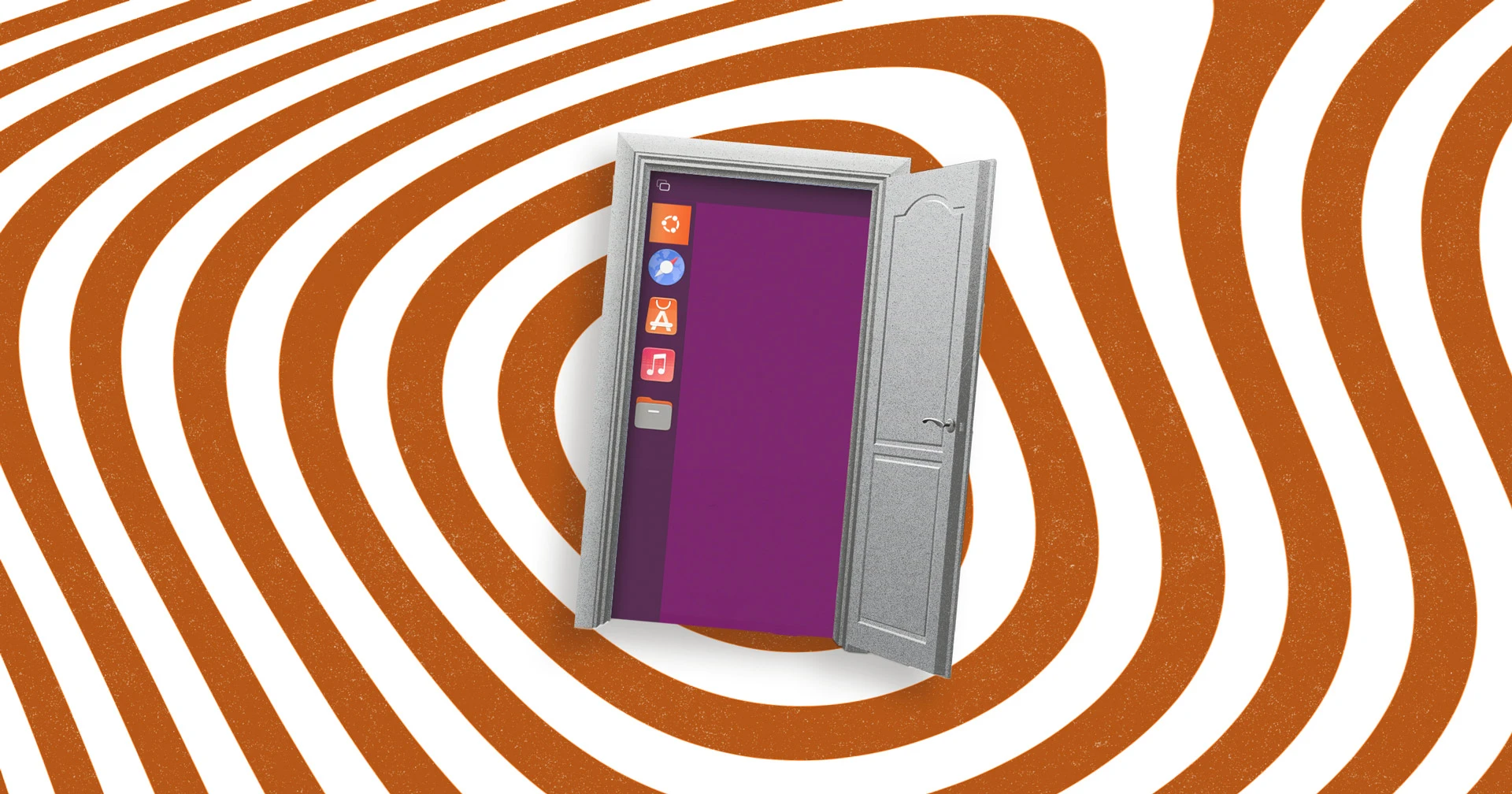
If Canonical hadn't burned through cash and goodwill during its smartphone detour in the mid-2010s, Ubuntu would likely still ship with the Unity desktop today — albeit in an evolved form. What would that form actually look like? Well, you don't have to shut your eyes and imagine, thanks to Ubuntu community member Muqtxdir, who’s experiment in rebuilding Ubuntu’s Unity shell using Wayfire and Libadwaita widgetry gives us a sideways glimpse. Below, we explore this fascinating project through a series of questions and answers.
What is the Unity desktop and why is it significant?
Unity is a desktop shell initially developed by Canonical for Ubuntu, launched in 2010. It was known for its unique Launcher (side dock) and HUD (Heads-Up Display), aiming to unify the look and feel across different devices. Unity was significant because it represented Canonical’s vision of convergence—a single interface for phones, tablets, and desktops. However, after the company’s failed smartphone push, the project was abandoned in 2017, and Ubuntu switched back to GNOME. Many users still miss Unity’s efficiency and distinctiveness, making this revival project especially compelling.

Who is Muqtxdir and what did they create?
Muqtxdir is an active Ubuntu community member who helps maintain Ubuntu’s Yaru theme and contributes to the immutable Linux distribution Vanilla OS. Recently, they published a video demonstrating a proof-of-concept recreation of the Unity desktop. This is not a full working shell yet, but a visual and functional mockup built on modern foundations: Wayfire (a Wayland compositor) and Libadwaita (the GNOME-focused design library). The project is an experiment tagged as “re-building Ubuntu’s Unity shell in a Wayfire session through gtk4-layer-shell and libadwaita widgetry.”
How does this new implementation use Wayfire and Libadwaita?
Wayfire acts as the compositor, handling window management and rendering under the modern Wayland protocol. On top of that, Libadwaita provides the visual language—buttons, panels, and menus—giving the desktop a polished, contemporary GNOME-like appearance. Crucially, the project employs gtk4-layer-shell, a library that allows GTK4 applications to create shell surfaces (like panels and docks) in Wayland. This combination enables the classic Unity launcher and top panel to be rebuilt with native Wayland support, without relying on X11 or the original Unity codebase. The result looks remarkably close to the original, but with smoother graphics and better hardware support.
What is the purpose of this project?
The primary purpose is exploration and proof of concept. Muqtxdir aimed to see how closely the old Unity experience could be replicated using today’s most modern Linux desktop technologies. It’s not intended as a full replacement for the current Ubuntu desktop, but rather a demonstration of what could be achieved if a team decided to revive Unity. The project also showcases the flexibility of Wayfire and Libadwaita for building custom desktop environments. As Muqtxdir noted in their video, this work is purely experimental and may not be maintained long-term, but it inspires discussion about future desktop possibilities.
What challenges did the developer face?
Recreating Unity with modern tools posed several challenges. First, porting the Unity launcher and indicators to GTK4 and Libadwaita required significant adaptation because the original code used GTK3 and Unity-specific libraries. Second, integrating with Wayfire meant handling compositor-specific features like window animations and panel transparency through gtk4-layer-shell, which is still evolving. Third, the lack of an official specification for how Unity’s interface should behave forced Muqtxdir to rely on memory and screenshots. Despite these hurdles, the demo shows that even complex UI can be recreated with enough effort—though polishing it to a production-ready state would demand a much larger team.
What does this mean for Ubuntu’s future?
While Canonical has no plans to bring back Unity, this project proves that the concept remains technically viable on modern Linux stacks. It could inspire third-party distributions (like Vanilla OS, where Muqtxdir contributes) or community spins to offer Unity as an alternative desktop. Moreover, it demonstrates that Wayland and Libadwaita are mature enough to support custom desktop shells, which bodes well for future innovation. However, for Ubuntu itself, the GNOME desktop is here to stay—though the company may consider adopting some Unity-like features (like the HUD) as extensions. In short, the revival is a nostalgic what-if scenario, not a roadmap.
Related Articles
- Fedora Releases Sealed Bootable Container Images for Atomic Desktops – Enhanced Security with Verified Boot Chain
- Ubuntu Systems Crippled by Hacktivist DDoS Attack – Users Unable to Update OS
- Comprehensive Security Patches Roll Out Across Major Linux Distributions
- DAMON Subsystem Expands with Tiering and THP Monitoring at 2026 Linux Summit
- Ubuntu and Canonical Remain Down After Sustained DDoS Attack
- How to Optimize Vulkan Performance with NVIDIA's New Descriptor Heaps and Beta Drivers
- Your Complete Guide to Upgrading to Fedora Workstation 44
- Major Security Patch Release Across Linux Distributions: Critical Vulnerabilities Addressed