Reimagining Ubuntu’s Unity Desktop: A Modern Take with Wayfire and Libadwaita
The Legacy of Unity Desktop
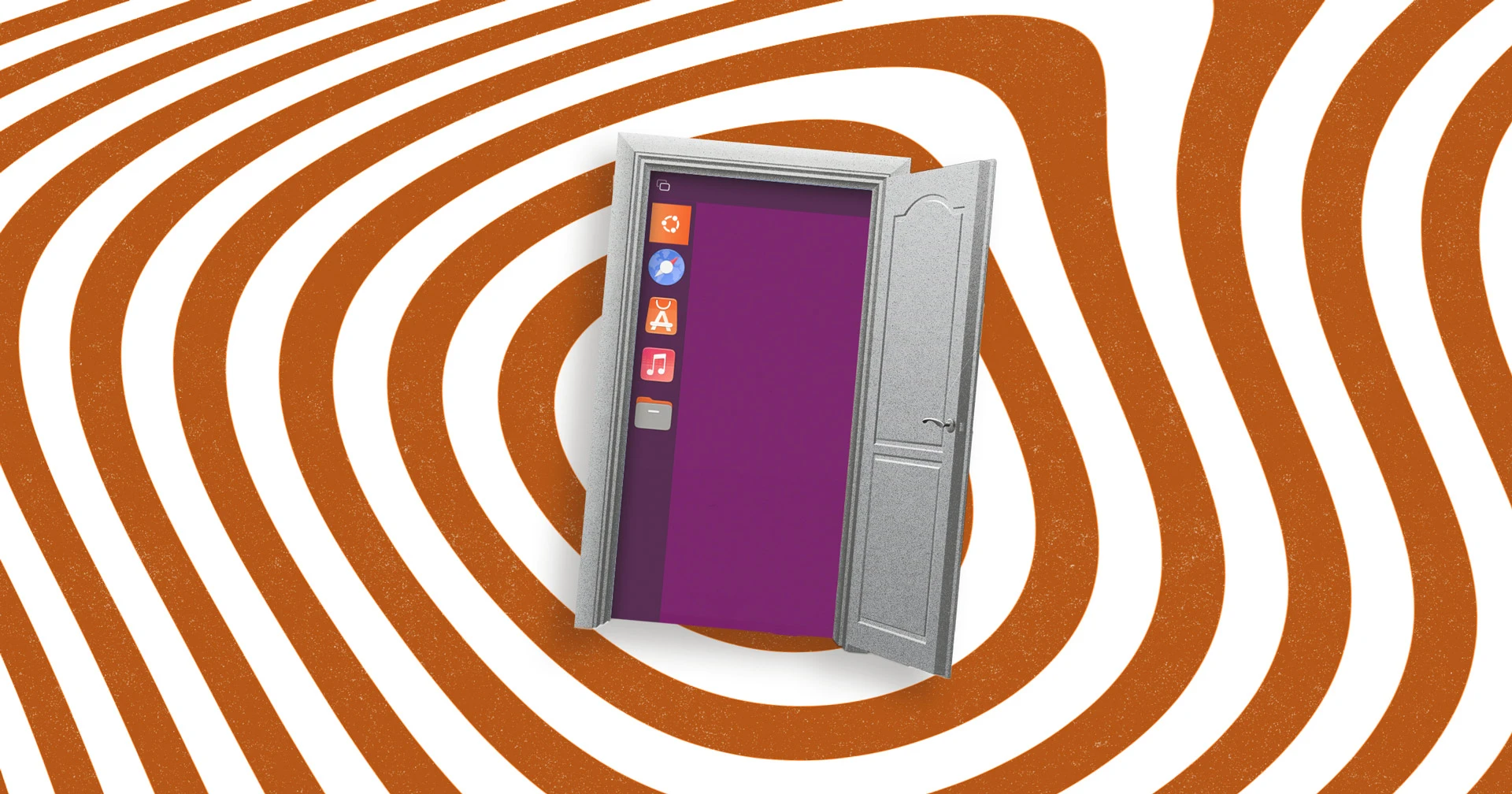
In the mid-2010s, Canonical made a bold but costly pivot to smartphones, burning through cash and goodwill. This diversion ultimately led to the abandonment of the Unity desktop—a unique interface that had become synonymous with Ubuntu. If not for that detour, Ubuntu would likely still ship with an evolved version of Unity today. But what would that evolved form look like? Thanks to Ubuntu community member Muqtxdir, we no longer have to rely solely on imagination. His experimental project, which rebuilds Ubuntu’s Unity shell in a Wayfire session using GTK4 layer shell and Libadwaita widgets, offers a compelling glimpse into an alternate timeline.

A Modern Reimagining with Wayfire and Libadwaita
Muqtxdir’s project isn’t just a nostalgic trip; it’s a forward-looking showcase of how Unity’s core concepts—like the launcher, dash, and indicators—can be recreated with modern technology. Wayfire, a lightweight and composable Wayland compositor, provides the foundation for smooth rendering and effects, while Libadwaita brings a cohesive, adaptive UI toolkit. The result is a desktop that feels both familiar and fresh, blending Unity’s productivity-focused design with the sleekness of GNOME’s latest aesthetics.
The Technical Foundation
At the heart of this project lies GTK4 layer shell, which allows Wayfire to manage floating panels and popups seamlessly. Combined with Libadwaita’s widget library, the interface achieves a polished look reminiscent of GNOME 45 but with Unity’s signature workflow. The launcher, for instance, adopts a vertical panel with icon-only buttons, and the dash provides quick access to favorite apps and workspaces. Indicators for network, sound, and system settings are integrated without compromising on performance.
Community Contributions and Broader Impact
Muqtxdir is no stranger to the Ubuntu ecosystem. He actively maintains and develops the Yaru theme—Ubuntu’s default visual style—and contributes to the immutable Vanilla OS distribution. His work on this Unity revival highlights the vibrant spirit of the open-source community, where enthusiasts breathe new life into discarded concepts. A video demonstration of the project has already sparked discussions on forums and social media, with many users expressing nostalgia and curiosity about its potential.
What This Means for Ubuntu’s Future
While this experiment remains unofficial, it raises intriguing questions. Could Canonical revisit Unity in some form? Would a community-driven reimplementation gather enough support to become a standard alternative? For now, Muqtxdir’s project serves as a proof of concept, demonstrating that Unity’s philosophy can coexist with modern standards like Wayland and GNOME’s technology stack. It also underscores the importance of preserving diversity in desktop environments—a principle that Ubuntu has historically championed.
Conclusion
The revival of Unity through Wayfire and Libadwaita is more than a technical feat; it’s a testament to the enduring appeal of a desktop that prioritized efficiency and consistency. By leveraging contemporary tools, Muqtxdir has created a unique experience that could inspire future developments. Whether you’re a long-time Ubuntu fan or a newcomer curious about alternative workflows, this project offers a fascinating look at what might have been—and what still could be.
Related Articles
- 10 Essential Updates: Fedora Atomic Desktops in Fedora 44
- 9 Essential Highlights of Fedora Linux 44: What Every User Needs to Know
- How to Install Linux Mint on New Hardware Using HWE ISOs
- 10 Powerful Ways Coding Agent Squads Transform Developer Productivity
- Everything You Need to Know About Fedora Asahi Remix 44 for Apple Silicon Macs
- Key Security Patches: Linux Distributions Update Critical Packages
- Strawberry Music Player: A Comprehensive Guide to Managing Your Music Collection
- Meta Unveils AI Agent Platform That Recovers Hundreds of Megawatts in Hyperscale Efficiency Push