Abandoned Coal Mines Power Clean Energy Revolution in British Columbia Town
CUMBERLAND, B.C. — A small Vancouver Island community is transforming its legacy of coal mining into a cutting-edge geothermal energy system, using water trapped in abandoned mine tunnels to heat and cool buildings with near-zero emissions. The project, which could lower energy costs, spur new development, and attract businesses, is being hailed as a blueprint for repurposing industrial sites worldwide.
“This is a game-changer for communities sitting on a vast, untapped thermal resource,” said Dr. Sarah Hartley, a geothermal energy expert at the University of British Columbia. “Cumberland is proving that the very mines that once polluted can now decarbonize our cities.”
How It Works
Water naturally accumulating in Cumberland’s deep mine shafts — some over 300 metres deep — maintains a constant temperature of about 12°C year-round. A geothermal heat pump circulates this water to extract heat in winter and dissipate heat in summer, providing efficient building climate control.
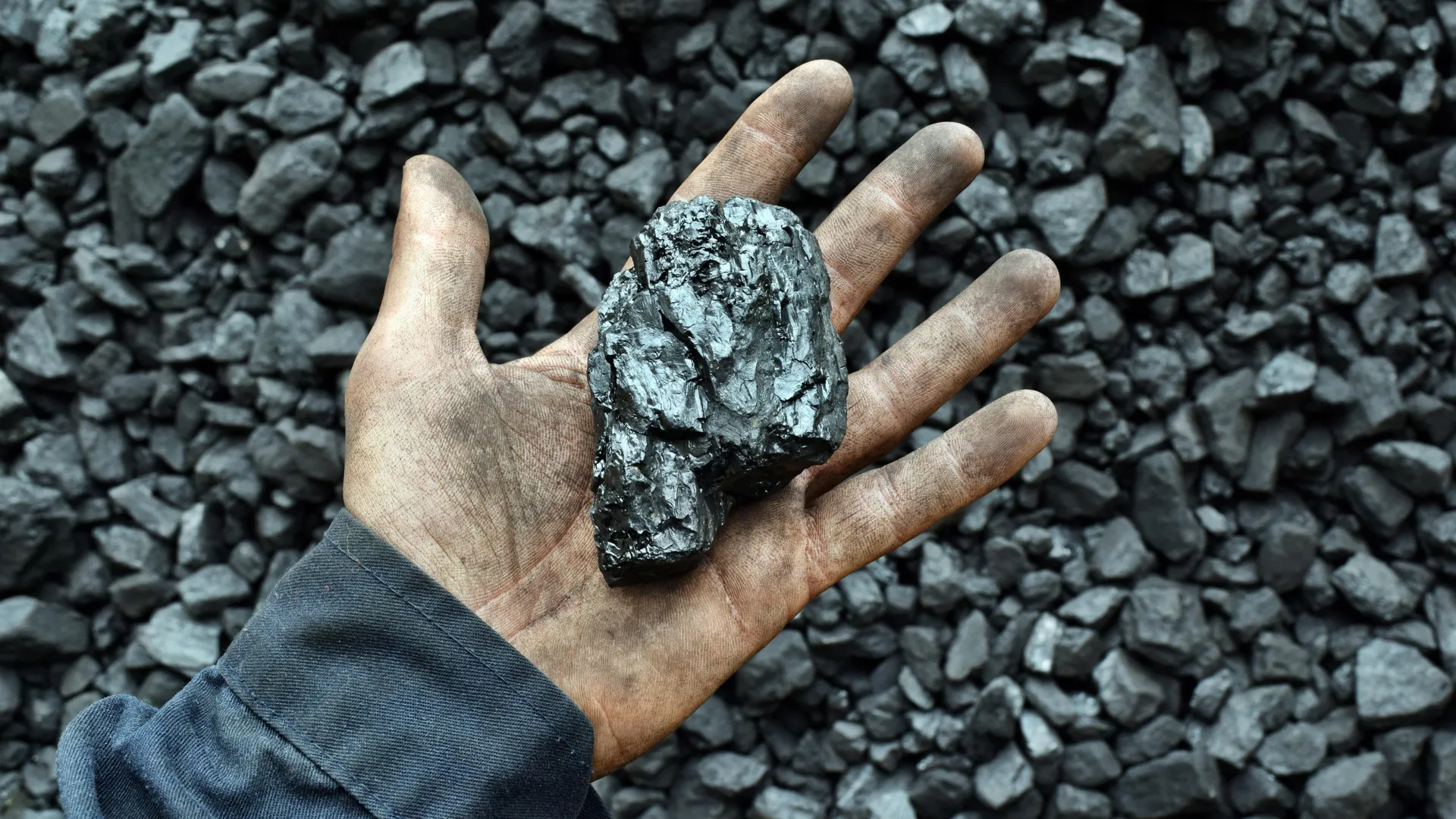
The system is expected to reduce energy consumption by up to 70% compared to traditional electric or gas systems. Developers are already eyeing new housing and commercial projects near the mine sites, citing lower operational costs and environmental benefits.
Background
The town of Cumberland was once a bustling coal hub, with mines that fuelled the region’s economy for over a century. When mining ceased in the 1960s, the tunnels flooded with groundwater, leaving a thermal reservoir largely forgotten until now.
“Nobody thought those tunnels could be anything but a liability,” said Mayor Leslie Baird. “We’ve turned a hazard into an asset — and a cheap, clean one at that.”
Community leaders partnered with technical experts from Vancouver Island University and the Pacific Institute for Climate Solutions to assess the feasibility. Their findings, released earlier this week, confirm that the mine water can sustainably supply heating and cooling for the entire downtown core for decades.
Economic Impact
Early estimates suggest homeowners and businesses could see utility bills drop by 30% to 50%. The stable, low-cost energy also makes Cumberland more attractive to tech firms and sustainable industries, potentially reversing years of population decline.
“We’re already fielding calls from investors,” said town economic development officer Mark Chen. “They see cheap, green energy as a competitive edge.”
What This Means
The Cumberland project offers a replicable model for hundreds of post-mining communities around the world. Experts say similar geothermal potential exists in many abandoned coal, copper, and gold mines across Canada, the United States, Europe, and Australia.
“This isn’t just a feel-good story — it’s a practical, scalable solution to the energy transition,” said Dr. Hartley. “Every town with a flooded mine can do this.”
While the upfront cost of drilling and heat pump installation can be significant, the long-term savings and carbon reductions make it financially viable. The project is now seeking federal and provincial grants to expand.
For Cumberland, the transformation is deeply symbolic. Former mine workers and their families are among the strongest supporters. “We spent generations digging coal out of the ground,” said retired miner Tom Kessler. “Now we’re pulling clean energy from the same holes. It feels like redemption.”
Related Articles
- IMO Net-Zero Talks Survive US Pressure, Postponed to Autumn
- How the EU Is Defending Its Economy Against Fossil-Fuel Price Shocks Triggered by the Iran War
- Electric Vehicle Milestones: Tesla Semi Launch, Xpeng VLA 2.0 Review, Rivian Financial Update
- React Native 0.85 Arrives: Enhanced Animation Engine, DevTools Upgrades, and More
- How to Evaluate the SECURE Data Act and Its Impact on Your Privacy
- Navigating the IMO Net-Zero Framework: How Global Shipping Climate Negotiations Succeed Against Political Pressure
- EPA Delays End to Routine Flaring in Oil and Gas Operations
- Rivian Charging Network Surges: Over 150 Fast Chargers Coming to Major LA Retail Hubs