10 Reasons Why Artius: Pure Imagination Is the Sonic Adventure Art Students Need
When you think of Sonic the Hedgehog, you probably picture a blue blur racing through loops, collecting rings, and… kissing human women? Yep, the franchise has taken some bizarre turns. But somewhere in its 16-bit heyday, Sonic actually had a soul: environmentalism. That theme got buried under speed boosts and edgy reboots. Enter Artius: Pure Imagination—a game that resurrects that lost heart and gives it a fresh coat of paint, literally. Designed for the post-AI generation, it’s a love letter to making art yourself. Here are 10 things you need to know about this unexpected, thought-provoking title.
1. The Lost Environmental Roots of Sonic
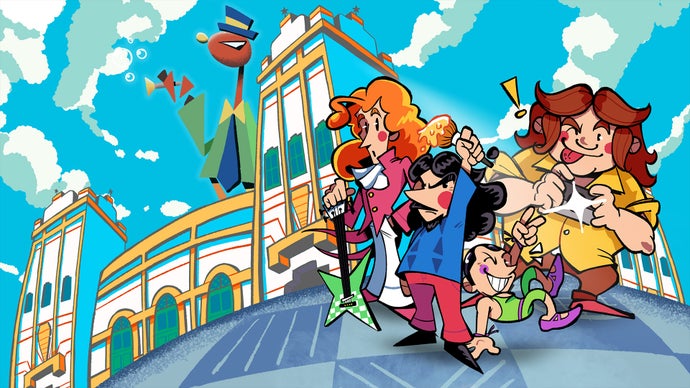
Back in the early ’90s, Sonic’s world was a protest against pollution and industrial greed. Green Hill Zone wasn’t just pretty—it was a statement. Dr. Robotnik’s factories were choking the land, and Sonic fought to restore nature. That theme faded fast. Artius brings it back, but swaps out oil spills for digital blight. In the game, an AI-generated landscape is overtaking a vibrant, hand-drawn kingdom. Players use their own artistic creations to push back the synthetic tide. It’s the same eco-warrior spirit, now battling the pollution of soulless art.
2. A Direct Response to the AI Art Debate
We live in a world where DALL·E and Midjourney can conjure images from a text prompt. Artius doesn’t ignore that—it confronts it head-on. The antagonist is a machine that consumes human creativity and spews out perfect, emotionless copies. The player, an art student, must prove that handmade imperfections have value. Every brushstroke, every wobbly line becomes a weapon. It’s not anti-tech; it’s pro-human. The game asks: when machines can mimic anything, what makes our art special? The answer lies in the messy, joyful process of creating.
3. ‘Pure Imagination’ Isn’t Just a Cute Title
The subtitle Pure Imagination is a direct nod to the Willy Wonka song—and a philosophy. The game argues that imagination isn’t a luxury; it’s a survival tool. In a world where algorithms predict what you’ll like, true originality is revolutionary. Artius rewards players who think outside the pixel. Want to create a creature that flies on spaghetti wings? Go for it. The game’s physics engine adapts to your whims. This isn’t a coloring book with a story; it’s a sandbox where imagination is the only currency that matters.
4. Art Students Finally Get a Hero
For decades, gamers have played as marines, plumbers, and hedgehogs. But where’s the representation for the kid in the graphic design program? Artius fills that gap. The protagonist is a broke, caffeine-fueled student who uses sketchbooks and digital tablets to save the day. The game’s narrative celebrates the struggles of learning to draw: the smudged hands, the erased pages, the sudden breakthroughs. It’s a relatable journey for anyone who’s ever felt frustrated by a blank canvas—and it validates that struggle as worth fighting for.
5. Gameplay That Feels Like Creating
Unlike typical action games where you press buttons to pre-set animations, Artius integrates drawing into every action. Want to jump over a gap? Draw a bridge. Need to defeat an enemy? Sketch a cartoon boxing glove that punches in your style. The game uses real-time vector recognition, so your lines become living objects. It’s clunky at first—just like real art—but that’s the point. The world responds to your aesthetic. You’re not just playing; you’re composing.
6. Meaningful Themes That Modern Sonic Avoids
Recent Sonic games have focused on spectacle: running on water, transforming into a werehog, or flirting with humans. They’ve left behind any deeper message. Artius picks up that dropped baton. The game’s story is about resisting homogenization. Every level is a gallery of different art movements—impressionism, surrealism, even AI-generated “pastiche”—and you have to defend the uniqueness of each. It’s a subtle critique of cultural monoculture, wrapped in colorful platforming. Finally, a game that makes you think while you jump.
7. Handmade Art vs. Mass Production
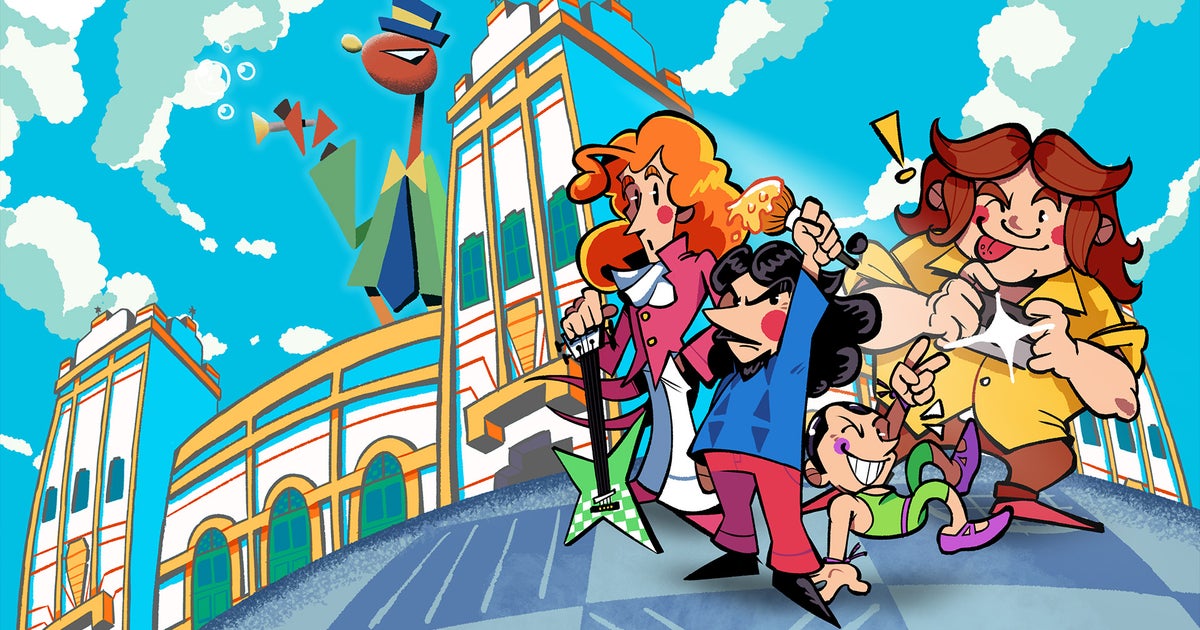
The central conflict of Artius isn’t just about AI—it’s about the tension between handmade and mass-produced. In one level, you craft a quilt of quilted landscapes; in another, you stitch together a giant sculpture from digital clay. The villain’s minions are identical copies, while your allies are all quirky and one-of-a-kind. It’s a subtle lesson in the value of craftsmanship. The game doesn’t demonize tools—it celebrates the human touch. Even if you can’t draw a straight line, your crooked ones become beautiful.
8. The World Itself Is Your Canvas
Most games have fixed environments. In Artius, you literally redraw the world as you explore. Beat a boss? The sky changes to your chosen palette. Solve a puzzle? You can add a new background element that stays forever. The game saves your creative decisions, so no two playthroughs look alike. This ties into the theme of personal expression as permanent action. It’s like leaving your signature on every corner of the universe—a reminder that art is an act of claiming space.
9. Nostalgia for Sonic’s Best Moments—But New
Fans of the classic Genesis games will feel a pang of recognition. The loop-de-loops, the ring-like collectibles that power your drawings, the soundtrack that blends chiptunes with ambient sounds. But Artius subverts nostalgia by making it interactive. Instead of just running through a green zone, you design that zone. It respects the past while asking, “What if you could draw your own Green Hill?” The result is a love letter that doesn’t just copy—it remixes.
10. The Future of Art-Themed Games
Artius: Pure Imagination might be a niche title, but it could spark a movement. Imagine games where the main mechanic is not combat or collection, but creation. This could open doors for art students to see video games as a legitimate medium for their skills. It also challenges developers to think about how we interact with virtual worlds. By putting the player in the role of an artist, the game redefines what a hero is: not the one who destroys, but the one who makes.
In a landscape full of sequels and remakes, Artius: Pure Imagination dares to be different. It reclaims Sonic’s lost environmental soul and gives it a fresh purpose: defending human creativity in an age of AI. Whether you’re an art student finding validation or a gamer craving a meaningful story, this title offers a canvas full of possibilities. Pick up your stylus—you’ve got worlds to draw.
Related Articles
- NVIDIA GeForce NOW Ultimate Gets RTX 5080 Boost as 16 New Titles Arrive in May
- Gaming Laptop Excellence in 2026: Expert Picks for Portable Power
- Nintendo Switch 2 'Choose Your Game' Bundle: Preorders Now Live
- The Hidden Cost of Undisclosed AI in Customer Service
- Blaze Entertainment Unveils Pocket-Sized Spectrum and Commodore 64 Handhelds for October Launch
- 5 Must-Know Facts About 2-in-1 USB-C Cables (And Why You Need One)
- Marvel Super Heroes Expansion Under Pressure After Spider-Man Set Flops - MagicCon Preview Reveals Sparse Details
- Steam Controller Demand Surges: Valve Scrambles to Restock After Instant Sellout